A song can go from unknown to global in just a few days. One sound clip, one dance, one trend, and suddenly an artist is everywhere. It may appear that fans or record labels determine who becomes successful, but behind every viral moment is a system that determines what millions of users see next.
Who Really Controls Music Success in the Age of TikTok?

TikTok’s structure plays a significant role in shaping popularity. The platform’s algorithm, its use of the term “creator,” and its moderation practices all influence how music rises or declines in visibility. When these technological and cultural factors are examined together, success on TikTok can be understood as the result of both audience engagement and platform design.

Algorithm Visibility
TikTok’s algorithm plays a major role in shaping which songs rise in popularity by promoting music based on engagement and user behavior rather than solely on record label decisions. Because many listeners now discover new music through the “For You” page, the platform’s system influences exposure before labels fully step in.
Music industry analysis site Music Tomorrow explains that the feed is designed to optimize “DAU (Daily Active Users)” and “retention,” creating a “self-fulfilling prophecy” (Music Tomorrow). This design prioritizes content that keeps users watching, meaning songs attached to highly engaging videos are more likely to spread widely.
The same source notes that TikTok uses “Computer Vision and Natural Language Processing algorithms” to analyze metadata such as “captions, hashtags, music, and sounds” (Music Tomorrow).
By tracking which sounds users replay, share, and interact with most, the algorithm increases their visibility across the platform. Unlike traditional radio promotion, which relied on human gatekeepers to determine airplay, TikTok uses automated data patterns, making popularity faster and less predictable.
The language of "creators"
The way TikTok describes artists as “creators” instead of influencers or industry-backed performers shapes how people interpret what it means to succeed in the music industry. This shift is significant because language affects perception.
As Oliver Haimson explains, platforms adopt the term to emphasize “accessibility and creativity… [while] minimising the financial and political ‘influence’” (Haimson). By highlighting creativity and accessibility, TikTok presents success as something that appears to come primarily from talent and audience interactions.
Haimson notes that nothing in TikTok’s terms shall be “construed to create an employment… or any other relationship” (Haimson). This statement clarifies that TikTok does not formally take responsibility for creators’ careers.
As a result, public perception of success may focus on audience engagement, while structural elements of distribution remain within the platform’s system.
Moderation and Visibility
Even though fans help songs gain attention, platform moderation and visibility rules can affect who receives exposure. This demonstrates that visibility is influenced by more than engagement alone.
According to Joseph Delmonaco, “Black TikTok creators have… reported decreased follower and view counts” (Delmonaco). This evidence indicates that changes in reach can occur even when audiences interact with content.
Delmonaco further explains that targeted shadowbanning causes content to “not reach the intended audience” (Delmonaco). Shadowbanning occurs when TikTok limits a user’s content without clearly notifying them.
When visibility is reduced, distribution patterns change regardless of audience interest. This context shows how moderation systems operate alongside engagement metrics in shaping exposure. As a result, music popularity on TikTok develops within both audience driven activity and platform regulated visibility.
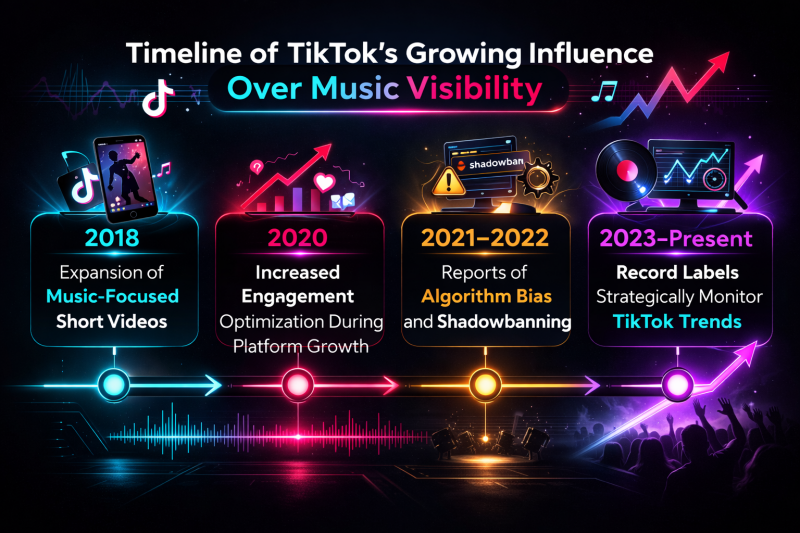
Figure 1: Timeline of TikTok’s Growing Influence Over Music Visibility
This timeline demonstrates how TikTok’s influence over music visibility developed through technological expansion and moderation practices. Each stage reflects the increasing reliance on data systems and distribution policies that shape exposure patterns.
The rise of viral music on TikTok can be understood through its technological and cultural context. The algorithm prioritizes engagement to increase retention, the term “creator” influences how success is perceived, and moderation practices shape content visibility. Together, these factors show that popularity on TikTok develops within a structured digital environment. Examining these contextual layers provides a clearer understanding of how music success forms on the platform.
Create Your Own Website With Webador